BACK CARE; GET YOUR POWER BACK.
I used to believe that only the elderly should suffer back pain. After all, they are a number of conditions that accompany old age until I started to experience it myself and after a while I looked around and discovered that I was not alone. Young individuals like myself (and even younger than myself) are struggling with this same issue. If you look around you would see 20 something year olds walking about with backs of 60 something year olds.
Our backs and spines are the foundation that supports our bodies and allows us to perform daily activities with ease. However, due to factors such as poor posture, sedentary lifestyles, and age-related changes, back and spine issues have become increasingly prevalent. Taking care of our backs and spines is crucial for maintaining a healthy and pain-free life. In this blog post, we will explore the importance of back and spine care, along with practical tips to keep them in optimal condition.
Understanding the Back and Spine.
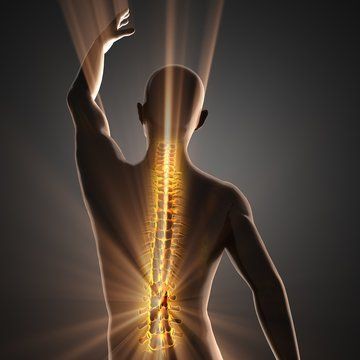
The back and spine (the spine s also known as the vertebral column) are complex structures composed of bones (vertebrae), discs, muscles, ligaments, and nerves. The spine consists of five regions but today we will be focusing on three regions: the cervical (neck), thoracic (upper back), and lumbar (lower back) spine. The spine provides stability, flexibility, and protects the spinal cord, which is essential for transmitting nerve signals throughout the body.
Importance of Back and Spine Care.
- Posture and Alignment: Maintaining good posture and spinal alignment is crucial for preventing strain on the spine and reducing the risk of developing musculoskeletal imbalances and pain. Also having good posture help you stay erect helps you appear taller and boosts your confidence.
- Movement and Flexibility: A healthy spine allows for smooth movement and flexibility, enabling us to perform daily activities and participate in physical exercise without discomfort or limitations.
- Nerve Function: The spinal cord and nerves travel through the spine, facilitating communication between the brain and the rest of the body. Proper back and spine care can help preserve optimal nerve function and prevent nerve-related conditions.
- Injury Prevention: Strengthening the muscles around the spine and practicing safe lifting techniques can reduce the risk of back injuries and chronic conditions like herniated discs.
Tips for Back and Spine Care. - Maintain Proper Posture: Be mindful of your posture while sitting, standing, and walking. Keep your back straight, shoulders relaxed, and head aligned with your spine. Avoid slouching or hunching forward for extended periods (especially when using your phone).
- Practice Ergonomics: Now, Ergonomics is simply designing or re-arranging equipment so as to reduce the operator’s fatigue, discomfort and injury. You can set up your workspace ergonomically, with an adjustable chair and desk height, proper monitor position, and adequate lumbar support. Maintain proper alignment while using electronic devices and avoid prolonged periods of sitting or standing.
- Engage in Regular Exercise: Participate in exercises that strengthen the core muscles, such as pilates, yoga, or specific core workouts. Strengthening the core helps support the spine and maintain its stability.
- Stretch and Flexibility: Incorporate stretching exercises into your routine to improve flexibility and mobility of the back and spine. Gentle stretching can relieve tension, reduce muscle tightness, and enhance range of motion.
- Lift Objects Safely: When lifting heavy objects, use your legs and avoid bending from the waist. Keep the object close to your body and avoid twisting motions while lifting or carrying.
- Maintain a Healthy Weight: Excess weight places additional stress on the spine. By maintaining a healthy weight, you reduce the strain on your back and decrease the risk of developing back-related conditions.
- Practice Mindful Movement: Be mindful of your body’s movements throughout the day. Avoid sudden, jerky movements, and listen to your body’s signals. If an activity causes pain or discomfort, modify or stop it to prevent injury.
- Avoid Prolonged Inactivity: Incorporate regular movement breaks if you have a sedentary job or lifestyle. Stand up, stretch, and walk around every 30 minutes to alleviate stress on the spine and promote blood circulation.
- Prioritize Restful Sleep: Invest in a supportive mattress and pillow that promote proper spinal alignment during sleep. Adopting a comfortable sleep position and avoiding excessive twisting or bending can also help maintain spinal health.
- Seek Professional advice: I will always advice you to consult your physiotherapist, you can always get a lot of information from the internet but some of these information are quite generalized. That is why you need a physiotherapist to properly assess you and come up with a treatment plan that is tailored specifically for you.
With all that has been said, please ensure to look after your back to prevent complications that come with aging. I hope this has been helpful, if it has then please don’t hesitate to leave a like or a comment (or both) and please also share with a loved one that you feel needs to see this.
Till next time,
Ciao.

 FitPTwithJess
Leave a comment