If you’re like me and you have tiny wrists, or spend a lot of time typing especially without support, or like resting your head on your hands especially when bored or just sleeping then you must be familiar with wrist pain. Sometimes, this wrist pain affects my arm strength in the sense that it doesn’t allow me lift certain stuff and if I decide to go ahead and carry those things, as soon as I put them down my hands begin to shake and at times even writing becomes difficult so I decided to do some research on it and that was how I found out about carpal tunnel syndrome.
Let’s get into what it is all about and what can do to prevent or manage it.
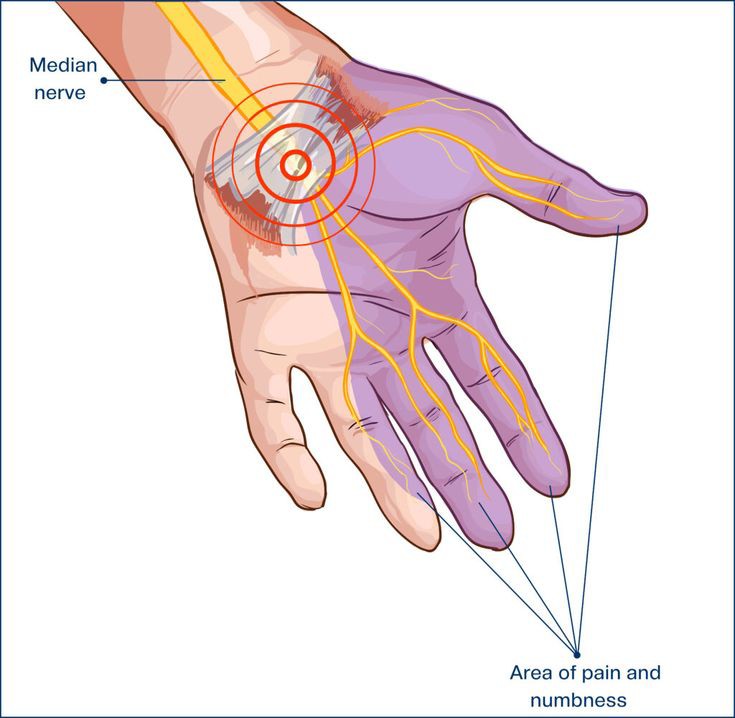
Carpal Tunnel Syndrome (CTS) is a common condition that affects the hand and wrist, causing pain, numbness, and weakness. It occurs when the median nerve, which runs through the carpal tunnel in the wrist, becomes compressed or irritated. CTS is often associated with repetitive hand movements, prolonged wrist flexion, and certain medical conditions. While various treatment options exist, physiotherapy plays a crucial role in managing carpal tunnel syndrome effectively. In this blog post, we will explore the causes and symptoms of CTS, along with the valuable contributions of physiotherapy in its management.
What are the Causes and Symptoms of Carpal Tunnel Syndrome?
The primary cause of carpal tunnel syndrome is the compression of the median nerve as it passes through the narrow passageway called the carpal tunnel. Several factors contribute to this compression, including:
1. Repetitive Hand Movements: Activities that involve repetitive wrist motions, such as typing, using a computer mouse (…for all my tech bros and babes and content writers as well), playing musical instruments, or assembly line work, can increase the risk of developing CTS.
2. Wrist Positioning: Prolonged or repetitive wrist flexion (bending the wrist downward) or extension (bending the wrist backward) can contribute to nerve compression.
3. Medical Conditions: Certain medical conditions like arthritis, diabetes, thyroid dysfunction, and pregnancy can increase the risk of developing carpal tunnel syndrome. Women with small wrists are also at risk of getting CTS
The symptoms of carpal tunnel syndrome can vary but often include:
1. Numbness and Tingling: Individuals with CTS commonly experience numbness, tingling, and a pins-and-needles sensation in the thumb, index finger, middle finger, and half of the ring finger.
2. Hand Weakness: Weakness in the hand and a tendency to drop objects may occur due to the nerve’s impaired function.
3. Pain and Discomfort: CTS can cause pain in the hand, wrist, forearm, and even radiate up the arm.
Why get physiotherapy?
Physiotherapy offers a comprehensive and non-invasive approach to managing carpal tunnel syndrome, focusing on relieving your pain, releasing the median nerve from whatever is compressing or irritating it, strengthening your muscles, and making ergonomic modifications. Here’s how physiotherapy can effectively address CTS:
1. Nerve Mobilization Techniques: Physiotherapists employ specific techniques to mobilize and release the compressed median nerve. These techniques involve gentle movements and stretches to alleviate nerve tension and improve nerve gliding within the carpal tunnel.
2. Strengthening and Stretching Exercises: Physiotherapists prescribe exercises to strengthen the muscles in the hand, wrist, and forearm. Strengthening these muscles helps support the wrist, reduce strain on the median nerve, and improve overall hand function. Additionally, stretching exercises can alleviate muscle tightness and promote flexibility.
3. Ergonomic Modifications: Physiotherapists provide guidance on proper ergonomics in the workplace and during daily activities to minimize strain on the wrist and hand. They may recommend adjustments to workstation setup, proper wrist positioning, and the use of supportive devices such as wrist splints.
4. Pain Management Techniques: Physiotherapists utilize various modalities, such as heat or cold therapy, ultrasound, and transcutaneous electrical nerve stimulation (TENS), to relieve pain, reduce inflammation, and promote tissue healing.
5. Activity Modification and Education: Physiotherapists educate individuals about activity modification, teaching them techniques to avoid repetitive movements, take regular breaks, and implement ergonomic principles in their daily routines. They provide guidance on proper posture and body mechanics to minimize strain on the wrists and hands.
6. Splinting and Bracing: In some cases, physiotherapists may recommend wearing a splint or brace. It is important you get a physiotherapist to prescribe this for you instead of just buying one for yourself so that you can be sure that you actually need one and to make sure you get the right one that won’t complicate your condition more.
If your wrist pain is like mine that comes and goes, then here as some quick stretches that you can do to help relieve your pain but if your pain is so severe to the point that It prevents you from going about your daily activities then please consult a physiotherapist instead of silencing your pain with pain killers, remember go for the lasting solution not the temporary one.
Hope you learnt something from this post, please feel free to share your thoughts in the comment section. See you in the next post.
Ciao!


 FitPTwithJess
Leave a reply to Jessica Dalhatu Cancel reply